What is the API, and what do the numbers mean?
Updated 2 min read
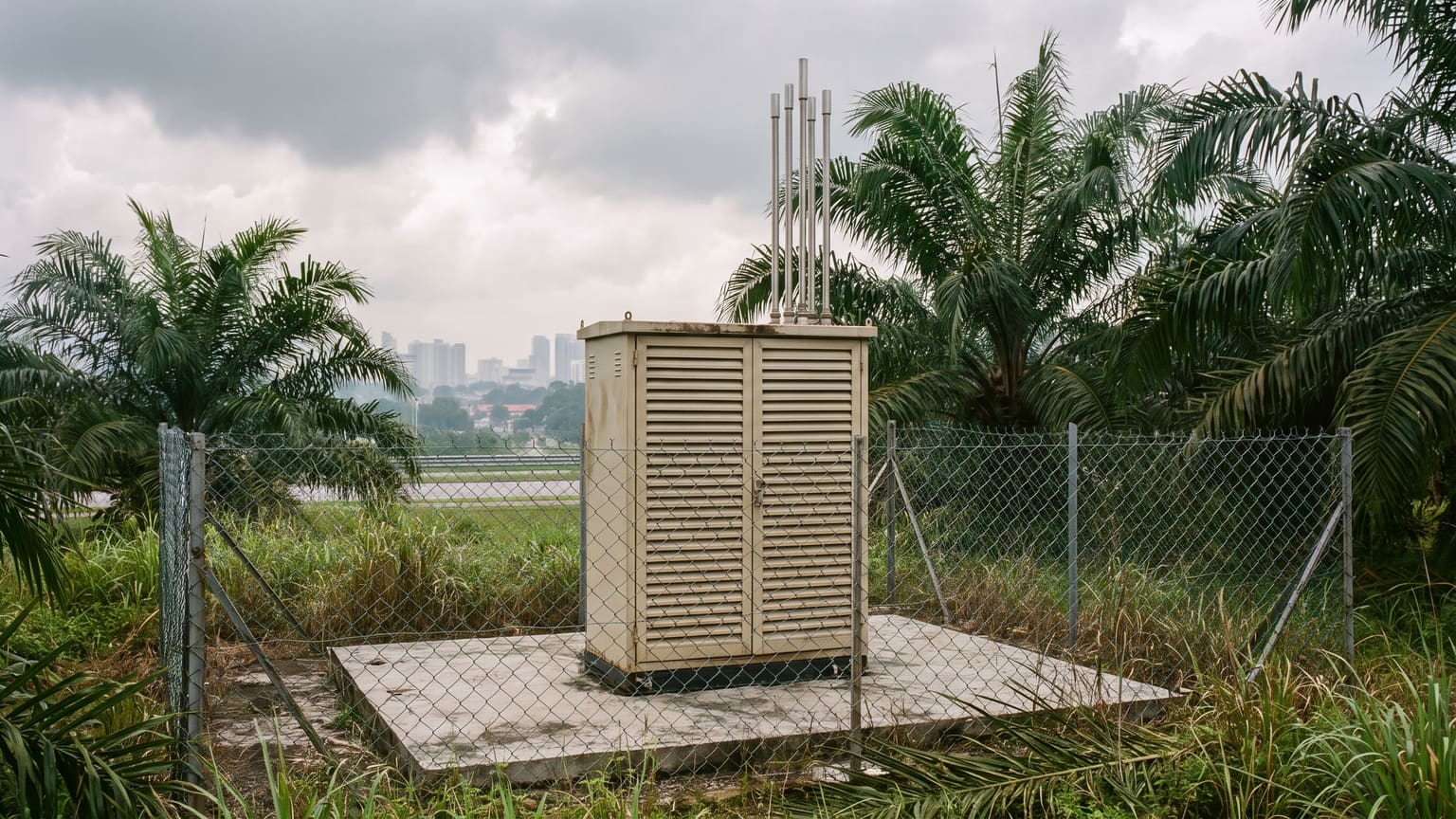
API stands for Air Pollutant Index. It is a single number summarising air quality at one place for one hour. The higher the number, the worse the air.
It is not a direct measurement of any one substance. It is an index: the Department of Environment measures six pollutants, converts each onto a 0 to 500 scale, and publishes the highest. So an API of 150 means the worst pollutant that hour sat at 150, not that everything added up to it.
The six pollutants
They are PM2.5, PM10, ozone (O₃), carbon monoxide (CO), sulphur dioxide (SO₂) and nitrogen dioxide (NO₂). In Malaysia, and especially during the haze season, it is almost always PM2.5 or PM10 that sets the reading.
The bands
| API | Status | What it means |
|---|---|---|
| 0 – 50 | Good | No health effects. Outdoor activity as normal. |
| 51 – 100 | Moderate | Fine for most people. Sensitive groups may start to notice it. |
| 101 – 200 | Unhealthy | Sensitive groups should cut back outdoor activity. Others may feel mild effects. |
| 201 – 300 | Very Unhealthy | Everyone should avoid strenuous outdoor activity. |
| 301 – 500 | Hazardous | Stay indoors. Schools usually close at this level. |
| Above 500 | Emergency | A state of emergency is declared. Follow official instructions. |
"Sensitive groups" means children, older people, pregnant women, and anyone with asthma, lung disease or heart disease.
Why readings differ between websites
Most international sites publish the US AQI, not the Malaysian API. Both run 0 to 500, but their breakpoints differ, so the same concentration can produce very different numbers. Some sites also publish modelled estimates rather than readings from real stations.
SemakAPI publishes the Department of Environment's own official number, straight from their network of 68 stations. If a number here differs from another site, that is usually why.
One station, not one city
Every reading comes from one specific monitoring station. Air at the other end of the same city can differ. In Ipoh, two stations have read 60 points apart in the same hour. That is why we always name the station a reading came from.