Updated MYThourly reading
Haze in Malaysia today
Where the haze is right now, straight from the Department of Environment's official readings. Updated hourly.
All 30 cities are moderate or better.
72API
Highest right nowIpohModeratePM2.5 ≈ 28.5 µg/m³ · 24-hour average≈ US AQI 87 (Moderate) · estimate, for comparison with international apps
Sensitive people (asthma, elderly, children) should cut back on long or strenuous outdoor activity.
Official Department of Environment readings, updated hourly. Each city is represented by a single monitoring station. For all 68 stations, see the official APIMS.
Official APIMS readingsWorst stations right now
No station is at an unhealthy level right now.
- 1Batu MudaKuala Lumpur Federal Territory93Moderate
- 2Pasir GudangJohor72Moderate
- 3Tasek IpohPerak72Moderate
- 4KluangJohor71Moderate
- 5LarkinJohor68Moderate
- 6Bukit RambaiMelaka66Moderate
- 7TangkakJohor65Moderate
- 8Alor GajahMelaka63Moderate
- 9JOHAN SETIASelangor63Moderate
- 10SegamatJohor62Moderate
Check by state
The highest reading in each state right now.
Haze alerts
Get a notification when the air turns unhealthy. No sign-up, and you can turn it off at any time.
Haze guides
All guidesShort explanations of the API, haze, and what to do about it.
 What is the API, and what do the numbers mean?The Air Pollutant Index is published hourly by Malaysia's Department of Environment. Here is what each band means and what to do at each one.2 min read
 What API closes schools in Malaysia? The number that decidesSince October 2026, schools close when the API goes above 180, or stays above 150 for three days in a row. When outdoor activity stops, who makes the call, and where the official word appears.2 min read
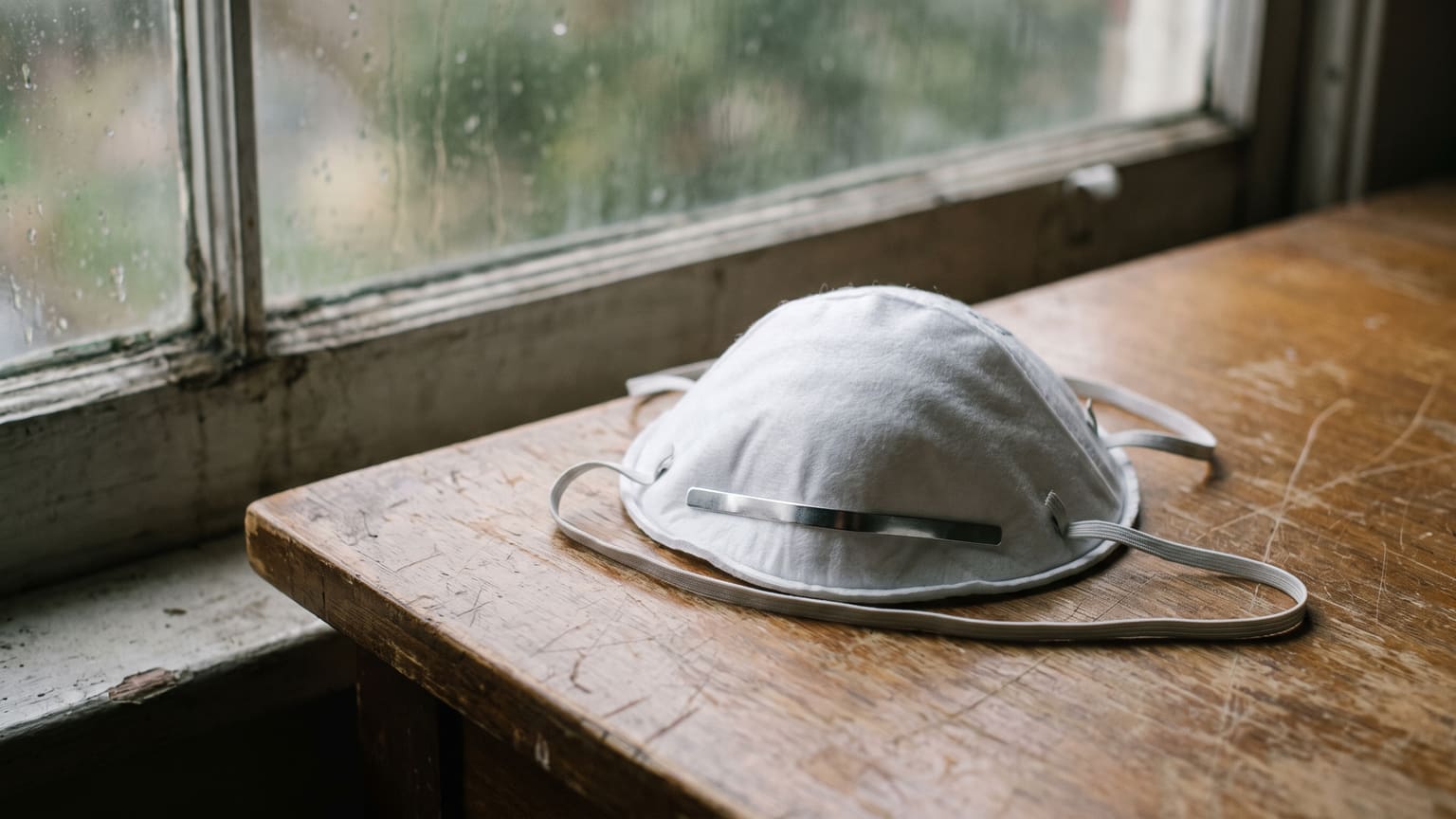 N95 masks for haze: how to choose one and wear itWhy cloth and surgical masks do not help in haze, what makes an N95 different, and why fit matters more than the brand on the box.2 min read
The API scale
0 to 500. Higher is worse.
- Good0–50
- Moderate51–100
- Unhealthy101–200
- Very Unhealthy201–300
- Hazardous301–500
- Emergency500+
Common questions
- Is IPU the same as API?
- Yes, it is the same number. IPU is the Malay abbreviation, for Indeks Pencemar Udara, and API the English one, for Air Pollutant Index. The Department of Environment uses both for the same 0 to 500 scale.
- What is the API?
- The Air Pollutant Index (API) is the 0 to 500 scale used by Malaysia's Department of Environment. 0 to 50 is good, 51 to 100 moderate, 101 to 200 unhealthy, 201 to 300 very unhealthy, and above 300 hazardous. It is set by the pollutant with the highest sub-index, which during haze is almost always PM2.5.
- Where do these readings come from?
- Readings come straight from the Department of Environment's Air Pollutant Index Management System (APIMS), every hour. They are the same official values APIMS publishes. Each city here is represented by one station, so another part of the same city can read differently.
- How often is it updated?
- Every hour. The last update time is shown at the top of the page. If the data is older than an hour, a notice appears.
- What API level closes schools?
- Since October 2026, every Ministry of Education institution in an affected area closes when the API goes above 180, or stays above 150 for three days in a row. Before that the level was 200. Outdoor activity, sport and assemblies stop earlier, above 100. The order comes from the Ministry or the State Education Department, so confirm with the official announcement.
- Why do other apps show a different number?
- Most international apps show the US AQI, not Malaysia's API. The tables differ, and some apps show an hourly value rather than the 24-hour average, so the same concentration can produce two very different numbers. SemakAPI shows the Department of Environment's official API.
- When is haze season in Malaysia?
- The worst window is July to October, during the southwest monsoon, when regional forest and peatland fires peak. February to April is the second risky window, usually more local and on the Peninsula's west coast. El Niño years are usually worse.