Haze, children and babies: what parents need to know
Updated 2 min read
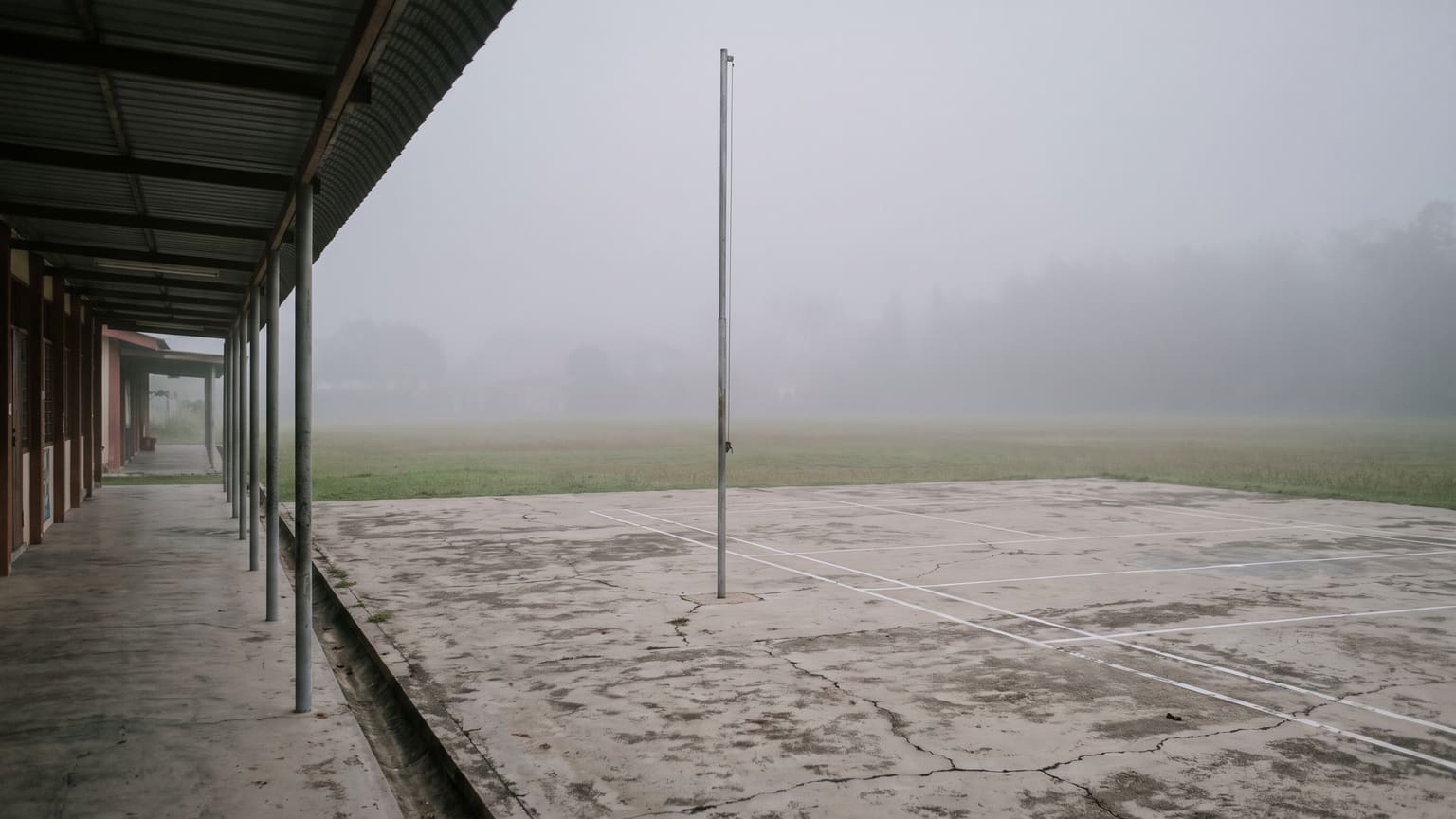
The Ministry of Health counts children among the high-risk groups during haze. The reason is simple: their bodies are still growing, and they breathe in more air for their size.
Why children are more exposed
- They breathe faster than adults, so they take in more pollution (World Health Organization).
- Their lungs are still developing, and they breathe more air per kilogram of body weight than adults (US EPA).
- They are closer to the ground, and their defences are not fully developed (WHO, UNICEF).
Masks: mostly not suitable
The Ministry of Health says N95 masks are not suitable for children. N95s do not come in sizes that fit small children, and a mask that does not seal filters nothing. Do not put a mask on a baby or a child under two at all.
So for children the main protection is not a mask, but clean air indoors and less time outside when the reading is high.
At home
- Keep windows and doors shut. If you have them, use air-conditioning and an efficient air purifier.
- Pick one room, usually the child's bedroom, and make it the clean-air room, with a purifier running on high.
- Avoid smoke indoors: frying, candles, incense and cigarettes.
- Some smoke still gets in. Indoors is better, but not perfectly clean.
School, kindergarten and nursery
For schools and Ministry of Education institutions, outdoor activity stops when the API goes above 100. Since October 2026, schools close when it goes above 180, or stays above 150 for three days in a row. Private kindergartens and nurseries may follow state orders or their own rules; in 2026 Sarawak ordered nurseries shut when the reading reached 200. Ask your child's centre directly.
When to see a doctor
- Call a doctor if your child has trouble breathing, is short of breath, has a cough that will not stop, or symptoms that do not go away.
- Get help straight away, or call 999, if your child has severe trouble breathing, is very sleepy, or will not eat or drink.
- A child with asthma should follow their asthma action plan, with reliever medicine always at hand.
General guidance, not medical advice. Sources: Ministry of Health Malaysia (Nasihat Kesihatan Ketika Jerebu; Usage of Personal Protection During Haze); WHO, Air pollution and child health (2018); US EPA and CDC; Western States PEHSU.