Air purifiers for haze: what matters, and what does not
Updated 1 min read
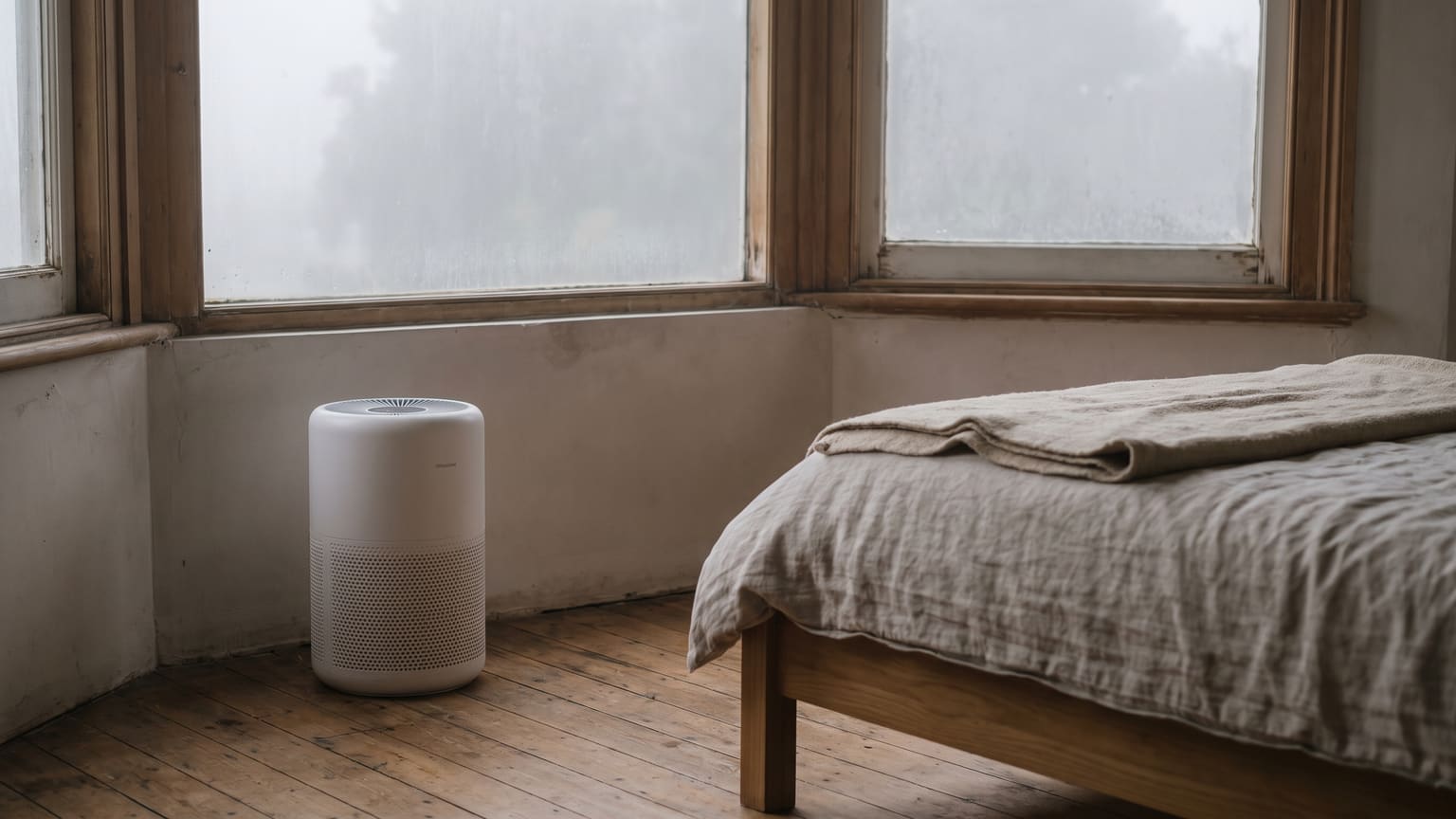
An air purifier is the most regretted purchase of every haze season. Not because they do not work, but because people buy on looks rather than on the two numbers that decide everything.
The only filter that matters
You need a true HEPA filter. Nothing else reliably captures PM2.5. The activated carbon layer that usually comes with it cuts the smell of smoke, and the smell is genuinely unpleasant, but the smell is not the health risk. The particles are.
CADR: the number to compare
CADR tells you how much clean air the machine produces per hour. Ignore the room size printed on the box, which is usually calculated at the highest and loudest fan speed. The rough sum: floor area in square metres, times a ceiling of about 2.8 metres, times five air changes an hour.
A 20 square metre bedroom needs roughly 280 cubic metres an hour. A machine rated 150 still helps, it is just slower, and you need to leave it running.
What to avoid
- Ozone generators. Ozone is a pollutant the Department of Environment monitors inside the API calculation itself. Do not manufacture it indoors.
- Ionisers without HEPA. They make particles stick to your walls and furniture rather than removing them from the air.
- Washable HEPA filters. Real HEPA is not washable, and washing it damages the fibres.
- Open windows while it runs. One sealed room beats the whole house half done.
How to run it during haze
Pick one room, usually the bedroom, and shut the door and windows. Leave the machine running continuously rather than switching it on an hour before bed. Clean the pre-filter every few weeks through the season, because a clogged pre-filter throttles airflow long before the HEPA is spent.