Is it safe to exercise outdoors in the haze? The API levels to follow
Updated 2 min read
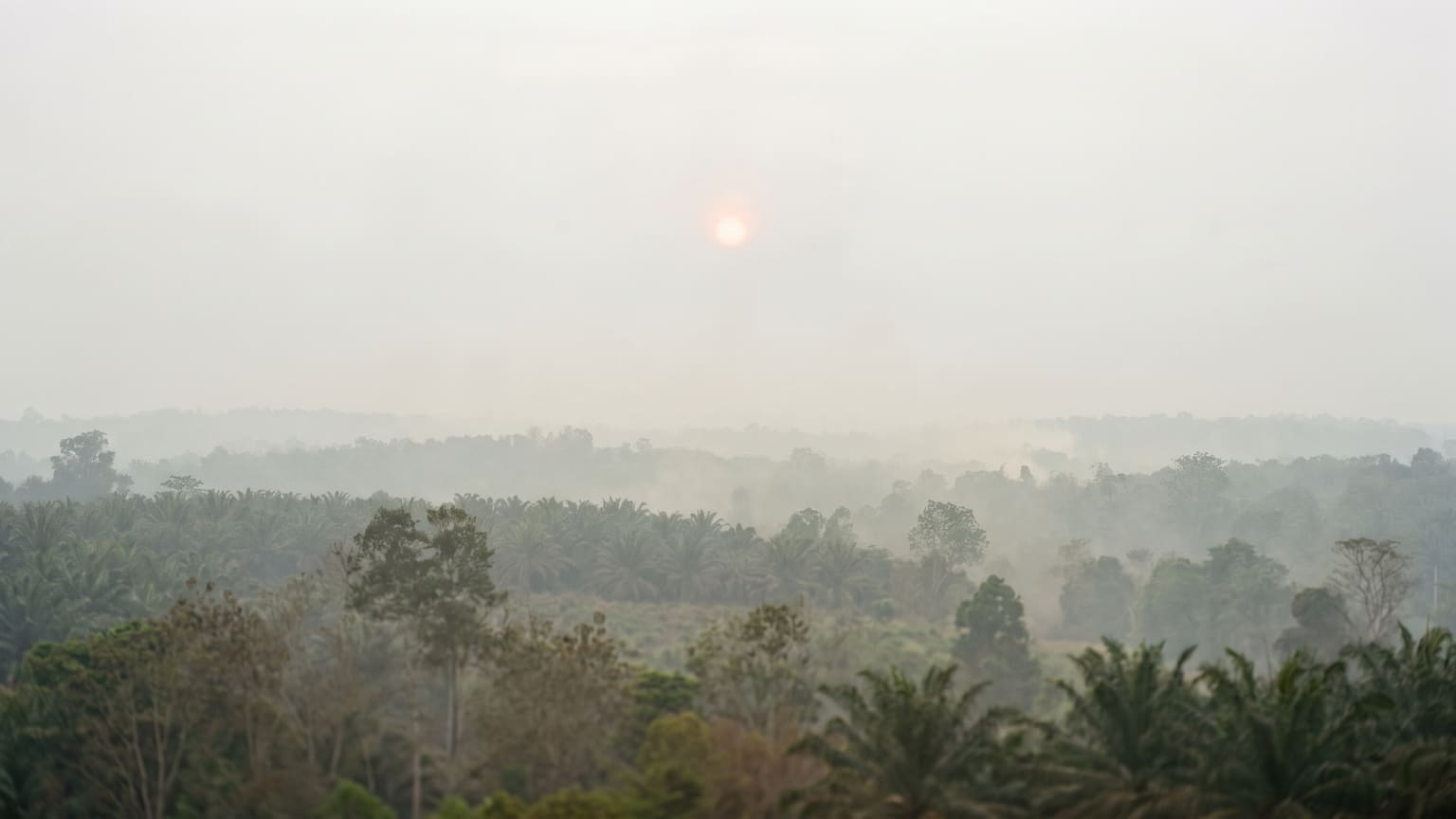
Exercise makes you breathe faster and deeper, and in the haze that is the problem. The Ministry of Health says physical activity raises your breathing rate, which can raise the risk of haze-related illness.
By how much? In one study, breathing rose from about 8 litres a minute at rest to about 63 litres a minute during hard exercise. That is nearly eight times the air, and eight times the particles, in the same time.
The levels to follow
| API | Exercising outdoors |
|---|---|
| 0 – 100 | As normal. If you have asthma or heart disease, watch for symptoms. |
| 101 – 200 | Cut strenuous outdoor activity, and shorten its length and intensity. Organised outdoor events should be postponed. High-risk groups should limit time outside. |
| 201 – 300 | Avoid strenuous outdoor activity altogether. Exercise indoors. High-risk groups should stay inside. |
| Above 300 | Everyone should stay indoors as far as possible. |
The National Sports Institute moves athletes' training indoors when the API goes above 100, because athletes train at high intensity. If national athletes go inside at that level, a weekend runner should think twice too.
Do not use another app's number
Many fitness and weather apps show the US AQI, not the Malaysian API. They use different tables: for PM2.5, API 100 corresponds to about 50 µg/m³, while US AQI 100 corresponds to about 35 µg/m³. The levels in the table above are for the Malaysian API.
Exercising indoors
- A gym, or home with the windows shut and an air purifier running, is the best option.
- Indoors is not perfectly clean: some smoke still gets in. Go easier if the reading outside is very high.
- Pick the time of day when the reading is lowest. Check the trend on your city page before you go.
Signs to stop
Stop at once if you are short of breath, dizzy, or have chest pain. Chest pain or severe trouble breathing needs emergency help: call 999.
General guidance, not medical advice. Sources: Ministry of Health Malaysia (Nasihat Kesihatan Ketika Jerebu; Director-General of Health statement, 19 September 2019); National Sports Institute (2015); Malaysian Association of Sports Medicine (2026); Pasqua et al. (2018).