Haze and high-risk groups: asthma, older people, heart disease, pregnancy
Updated 2 min read
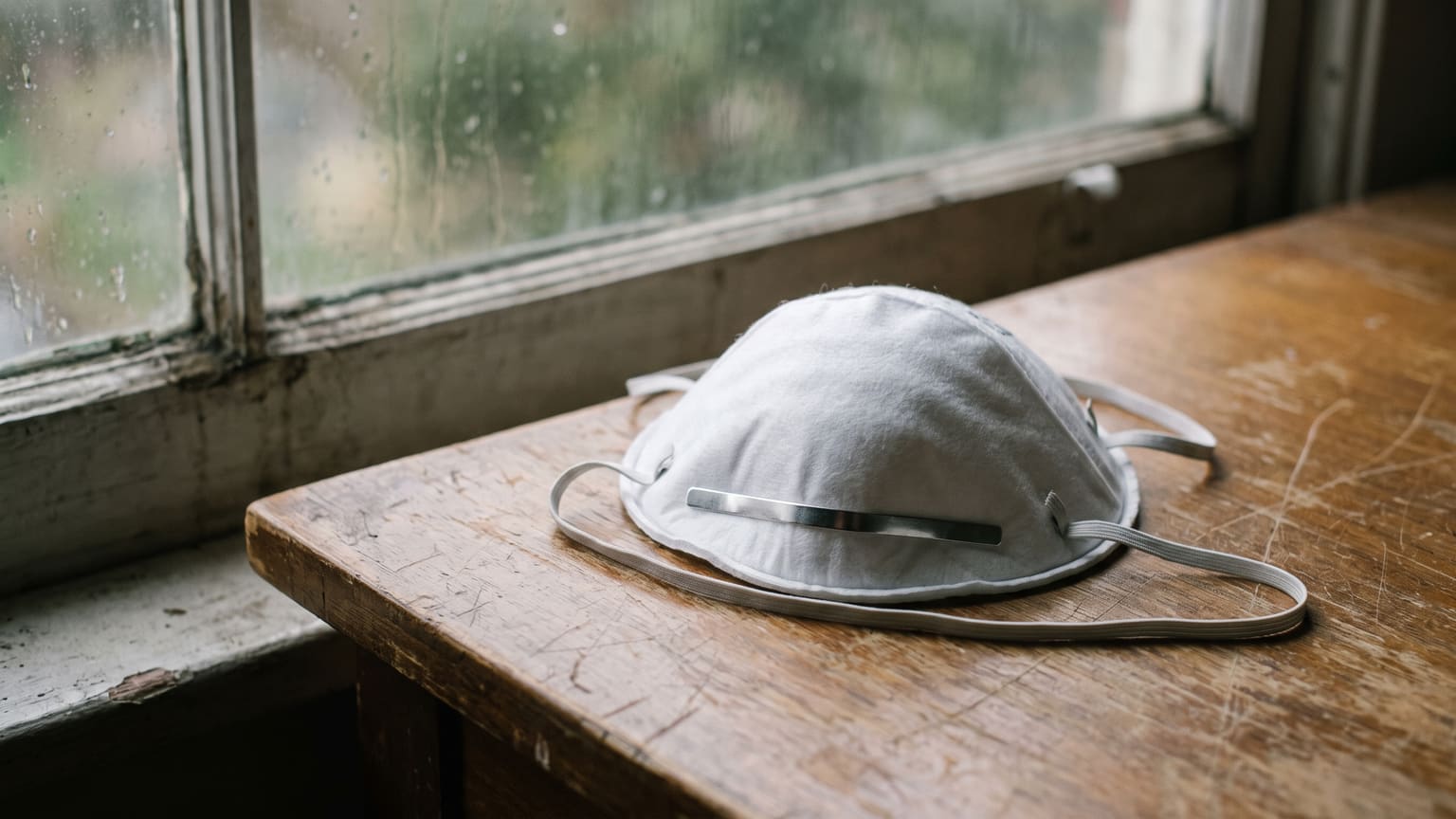
The Ministry of Health lists the high-risk groups during haze: children, older people, pregnant women, people with heart disease and respiratory illness such as asthma and bronchitis, people sensitive to dust or with allergies, smokers, and people who work outdoors.
The effect is real. In August 2026, reported asthma cases rose 259% in one epidemiological week, from 61 to 219, and upper respiratory infections rose 124%.
Not just the lungs
Fine PM2.5 particles reach deep into the lungs and into the blood. According to the World Health Organization, about 68% of early deaths from outdoor air pollution are from ischaemic heart disease and stroke. The American Heart Association concluded that exposure over hours to weeks can trigger heart attacks, strokes, heart failure and irregular heartbeat in susceptible people.
Ministry of Health advice for high-risk groups
| API | Advice |
|---|---|
| 0 – 100 | No limits on activity. |
| 101 – 200 | Limit activity outside the home. Wear a mask when outside. |
| 201 – 300 | Stay inside your home or a building and reduce physical activity. See a doctor if you have health problems. |
| Above 300 | Stay at home. |
Asthma and lung disease
- Follow your asthma action plan and keep your reliever medicine at hand.
- Go to a clinic promptly if your cough, breathlessness or asthma gets worse.
- If an N95 makes you uncomfortable or short of breath, the Ministry of Health advises you to stop wearing it and see a doctor.
Heart disease and older people
- Call a doctor for palpitations, unusual tiredness or shortness of breath.
- Chest pain or severe trouble breathing is an emergency: call 999.
- Keep seven to ten days of medicine at home, so you need not go out when the reading is at its worst.
Pregnancy
Exposure to air pollution is linked to slower growth in the womb, low birth weight and preterm birth. The Ministry of Health says N95 masks are not suitable for pregnant women. Guidance in other countries differs, so the safest course is to stay inside, use a clean-air room, and ask your doctor before wearing an N95.
At home
Shut the windows, use air-conditioning and an air purifier if you have them, and avoid frying, incense, candles and cigarette smoke. One clean-air room with a purifier big enough for it does more than trying to clean the whole house.
General guidance, not medical advice. Sources: Ministry of Health Malaysia (Nasihat Kesihatan Ketika Jerebu; Usage of Personal Protection During Haze; Director-General of Health statements, 2019); Bernama (23 August 2026); WHO, Ambient air quality and health (2024); American Heart Association (Brook et al., 2010); US CDC.