Haze in Malaysia: the causes, the season, and when it clears
Updated 2 min read
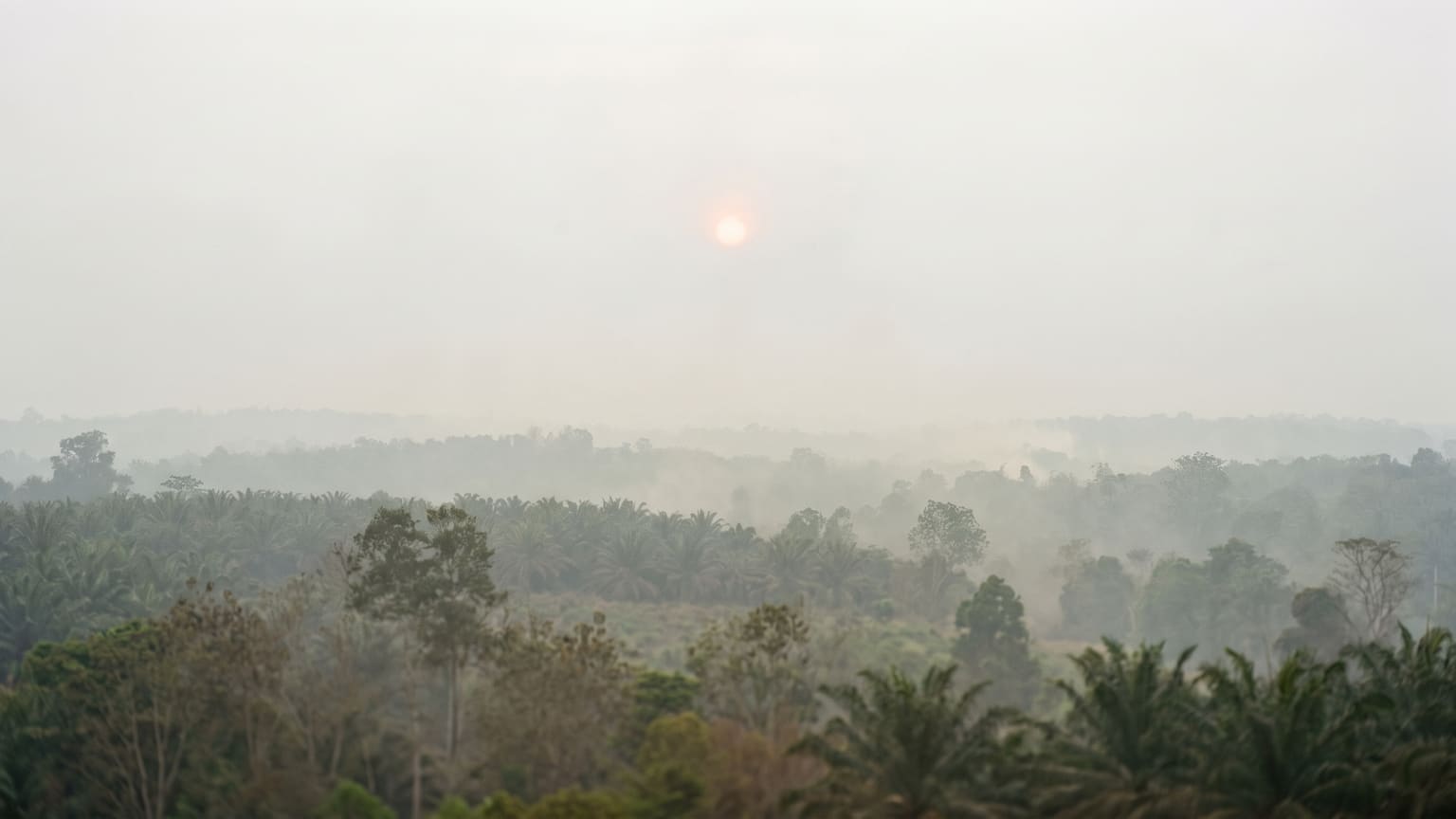
Haze in Malaysia almost always comes from biomass burning: forest and peatland fires across the region, plus local open burning. The smoke carries fine particles that travel hundreds of kilometres on the wind.
When it happens
There are two risky windows each year.
- February to April: the short dry season. Haze is usually more local and affects the west coast of the Peninsula.
- July to October: the worst window. The southwest monsoon brings wind from the southwest, and this is when regional fires peak.
El Niño years are worse, because drier conditions make peat easier to ignite and far harder to put out.
Why an episode persists
Three things decide how long haze lasts. The source, meaning whether fires are still burning. The wind, which decides where the smoke goes. And rain, which washes particles out of the air.
Heavy rain is the most effective way haze clears. That is why readings often drop sharply after an afternoon storm, then climb again the next day if the fires are still burning.
What to do
- Check the reading before planning outdoor activity, not after you are already out.
- Above API 100, cut back hard outdoor exercise. Breathing deeply and quickly pulls more particles into your lungs.
- Close windows and doors when readings are high. Air conditioning on recirculate helps.
- An N95 mask filters PM2.5 effectively. Surgical and cloth masks do not.
- Drink plenty of water and watch for symptoms: coughing, stinging eyes, breathlessness.
If you have asthma, keep an inhaler on you through the haze season. An attack can come hours after exposure, not immediately.
Watch the trend, not one number
A single reading tells you where things stand. The shape of the last 24 hours tells you where they are going. A reading of 140 falling from 190 means the episode is breaking; 140 climbing from 90 means the opposite.